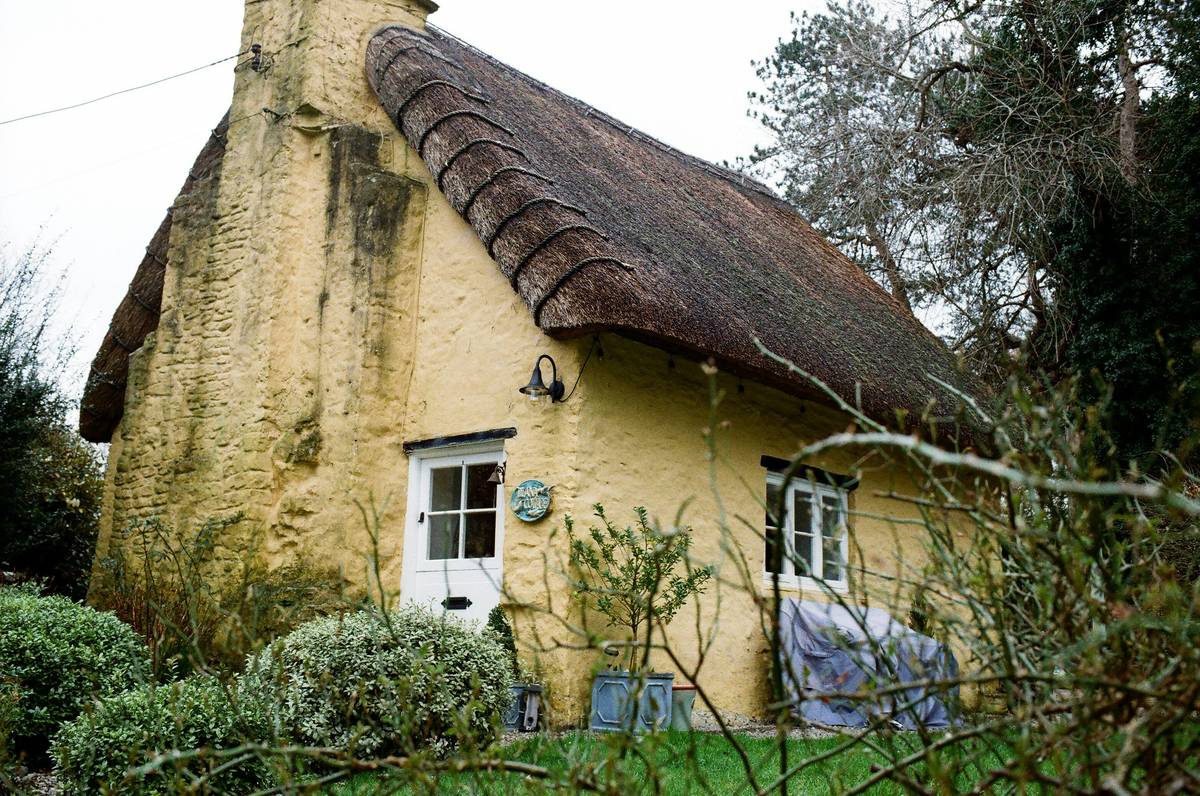
Ever booked what looked like a charming historic cottage online—only to arrive and find the “vintage charm” meant no hot water, warped floorboards, and a toilet that groaned like it remembered the Civil War? You’re not alone. As someone who once spent a rainy weekend in a 19th-century carriage house where the bedframe creaked louder than my anxieties, I’ve learned the hard way that not all Vintage Rental Features are created equal. This guide cuts through the romanticized filters of listing photos and helps you spot authentic historic value versus hidden headaches—all while honoring the soul of the place.
Table of Contents
- Why Vintage Rental Features Matter in Modern Travel
- How to Choose Authentic Historic Rentals: A Step-by-Step Guide
- Best Practices for Booking & Enjoying Time-Capsule Stays
- Real Examples: When Vintage Features Actually Work
- FAQs About Vintage Vacation Rentals
Key Takeaways
- Authentic Vintage Rental Features enhance immersion—but poorly maintained ones compromise comfort and safety.
- Always verify structural integrity, plumbing, and electrical systems before booking.
- Look for rentals certified by preservation societies or listed on heritage registries.
- Ask hosts specific questions about original vs. restored elements.
- Balance nostalgia with practicality: charm shouldn’t cost you sleep or sanity.
Why Vintage Rental Features Matter in Modern Travel
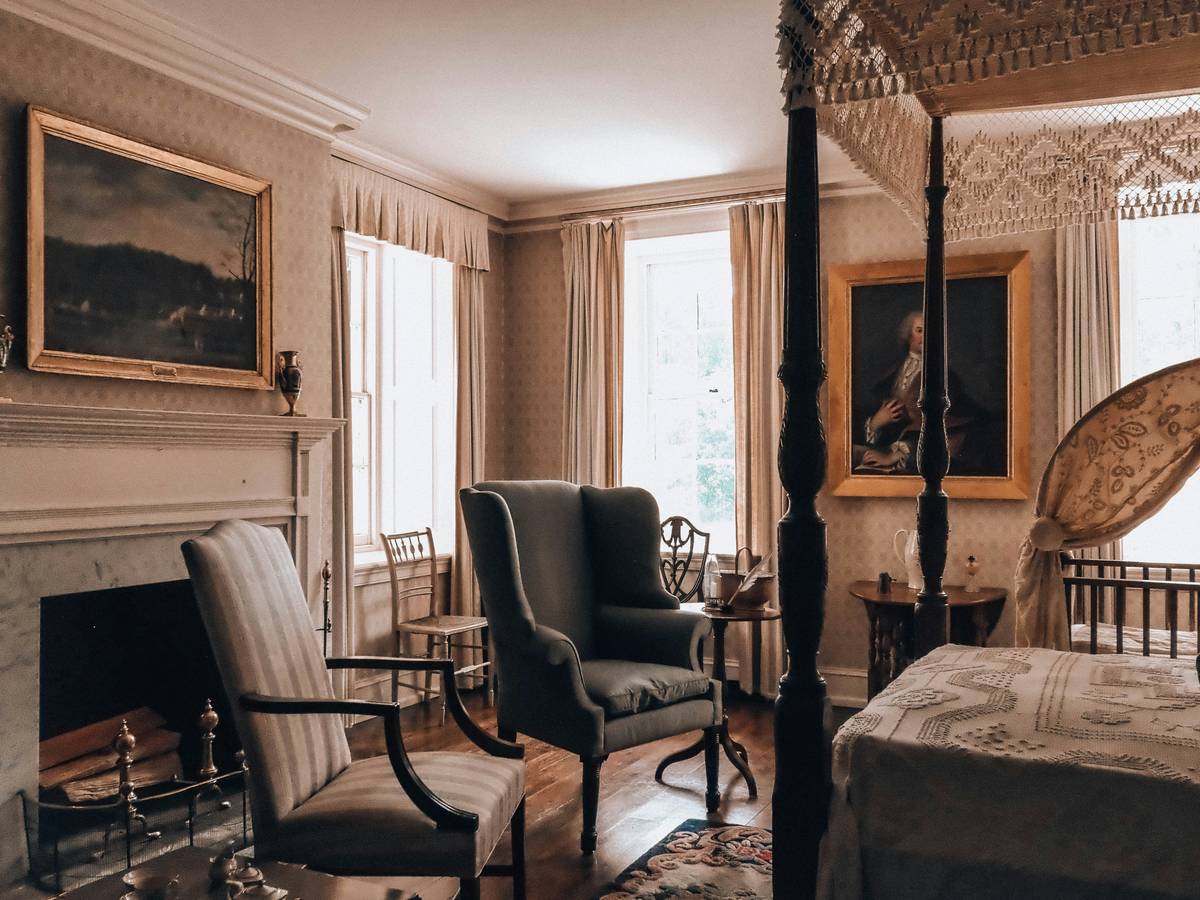
Travelers increasingly crave authenticity over generic luxury. According to the U.S. Travel Association, 68% of leisure travelers prioritize “unique local experiences”—and historic vacation rentals deliver precisely that. But “unique” can tip into “unlivable” without careful vetting. True vintage appeal lies in preserved craftsmanship: hand-laid brick fireplaces, clawfoot tubs, leaded glass windows—not in outdated wiring or asbestos insulation masquerading as “character.”
How to Choose Authentic Historic Rentals: A Step-by-Step Guide
1. Confirm Heritage Designation or Certification
Check if the property is listed on the National Register of Historic Places (maintained by the National Park Service) or recognized by a state/local preservation league. These listings often require owners to maintain historical integrity during renovations.
2. Scrutinize Photos Beyond the Staged Shots
Zoom in on corners, ceilings, and bathrooms. Are outlets modern? Is there visible mold or peeling paint near windows? One telltale sign of neglect: mismatched flooring suggesting rushed repairs.
3. Message the Host with Precision
Ask: “Which features are original versus restored?” and “When was the last electrical/plumbing inspection?” Vague answers = red flags.
Best Practices for Booking & Enjoying Time-Capsule Stays
- Pack adaptability: Bring backup lighting (historic homes often have dim fixtures) and slip-on shoes (original floors can be uneven).
- Verify accessibility: Narrow staircases and high thresholds are common. Don’t assume ADA compliance unless explicitly stated.
- Read between the reviews: Phrases like “cozy” might mean “cramped,” and “quirky” could signal dysfunction. Search reviews for “cold,” “noisy,” or “broken.”
- Avoid this terrible tip: Never assume “older = more authentic.” A 1970s faux-colonial has less historical merit (and often worse build quality) than a thoughtfully restored 1940s bungalow.
Real Examples: When Vintage Features Actually Work
In Savannah, Georgia, a guest stayed at a 1890s Victorian listed on our platform that retained its original mahogany staircase, pocket doors, and gaslight-style fixtures—but had been upgraded with central HVAC and seismic retrofitting. The host shared documentation from the Georgia Trust for Historic Preservation, proving compliance with modern safety codes. Result? Five-star reviews citing “magical ambiance without sacrificing comfort.”
Contrast this with a poorly maintained 1930s cabin in the Catskills—marketed for its “rustic Vintage Rental Features”—that lacked GFCI outlets in the kitchen and had knob-and-tube wiring. Guests reported flickering lights and mild shocks. This isn’t heritage; it’s hazard.
At Project Any Road, we only feature properties that balance preservation with livability. Learn more about our standards on our About Us page.
FAQs About Vintage Vacation Rentals
Are vintage rental features safe?
They can be—if properly maintained. Always confirm recent inspections for electrical, plumbing, and structural elements. Properties listed on official historic registers typically adhere to stricter safety guidelines.
What’s the difference between “vintage” and “historic”?
“Historic” usually means 50+ years old and recognized by a preservation body. “Vintage” is a looser marketing term—it could describe anything from a 1980s motel to a true antique home. Demand specifics.
Do vintage rentals cost more?
Sometimes, but not always. Unique features can command premium rates, yet many historic homes in emerging neighborhoods offer excellent value. Compare per-night cost against included amenities.
Can I modify anything during my stay?
No. Altering original features—even hanging a picture—often violates rental agreements and preservation laws. Always ask before moving furniture or using adhesives.
Where can I report unsafe vintage rental features?
Contact the platform first. For serious hazards (e.g., exposed wiring), notify local building authorities. Review your rights in our Privacy Policy and terms.
How do I find truly authentic listings?
Filter for properties with verifiable documentation—registries, restoration receipts, or host credentials in historic preservation. When in doubt, contact us for personalized vetting help.
Vintage Rental Features should transport you—not trap you in discomfort. Done right, they turn a trip into a time machine with Wi-Fi. Ready to book a stay that honors history without haunting your vacation? Reach out today.